
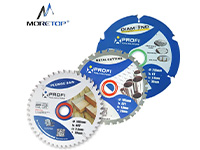
How Small-MOQ Tool Buyers Can Launch a Private-Label Blade Range Faster
Private-label launch guide for small distributors
How Small-MOQ Tool Buyers Can Launch a Private-Label Blade Range Faster
Small MOQ is useful only when it shortens the launch path. A distributor does not need a full blade universe on day one; it needs one clear market, a believable pack, and a sample loop that moves quickly enough to keep momentum.
Moretop already positions itself around saw blades, drill bits, hole saws, and related accessories, so the right first step is not to widen the catalog. It is to narrow the launch, standardize the pack, and treat the first order as a working system. If you are mapping that system now, the product range and company profile are the two safest starting points.

Why small MOQ changes the launch strategy
The main advantage of small MOQ is reduced risk, but the real win comes from speed. If the first launch is too broad, the buyer spends the savings from lower MOQ on artwork changes, sample confusion, and slow approvals. A compact launch is easier to explain, easier to test, and easier to reorder.
Start with one market, not the whole catalog
The fastest launches usually begin with a single buyer type. Bosch and Milwaukee both separate blade families by material and application, which is exactly the logic a private-label buyer should mirror. If your first range tries to serve every user at once, the pack loses focus before the market ever sees it.
Woodworking and carpentry
Best when your customers want a clean, easy-to-understand starter range with common circular saw blade sizes.
Metal and fabrication
Best when the channel values tougher positioning, fewer claims, and a more deliberate performance story.
Mixed-channel distribution
Best when the same pack has to work in wholesale, retail, and online listings without becoming generic.
Pick blade families by real buying behavior
Small MOQ works best when the first order reflects how customers actually shop. A blade range does not need every diameter or tooth count immediately. It needs the families that your buyers can understand in one glance and sell with confidence.
| Starter family | Best fit | Why it launches faster |
|---|---|---|
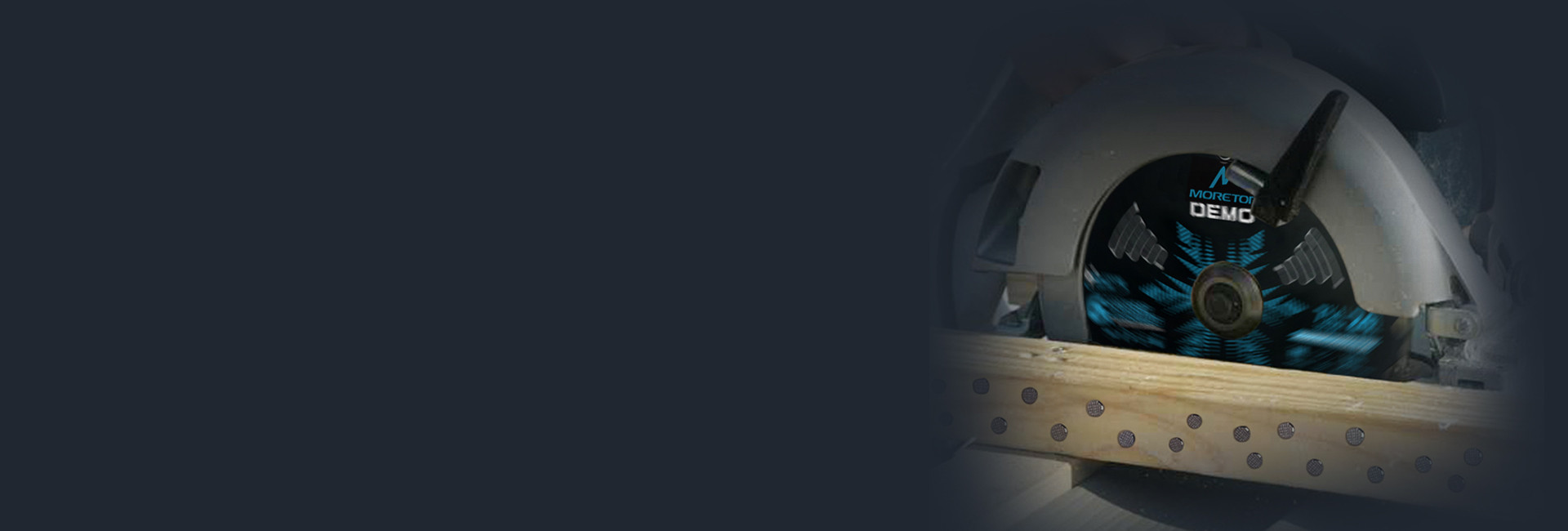
| Circular saw blades | Wood, plywood, general-purpose carpentry | Easy to explain, easy to merchandise, and easy to expand later by tooth count or diameter. |
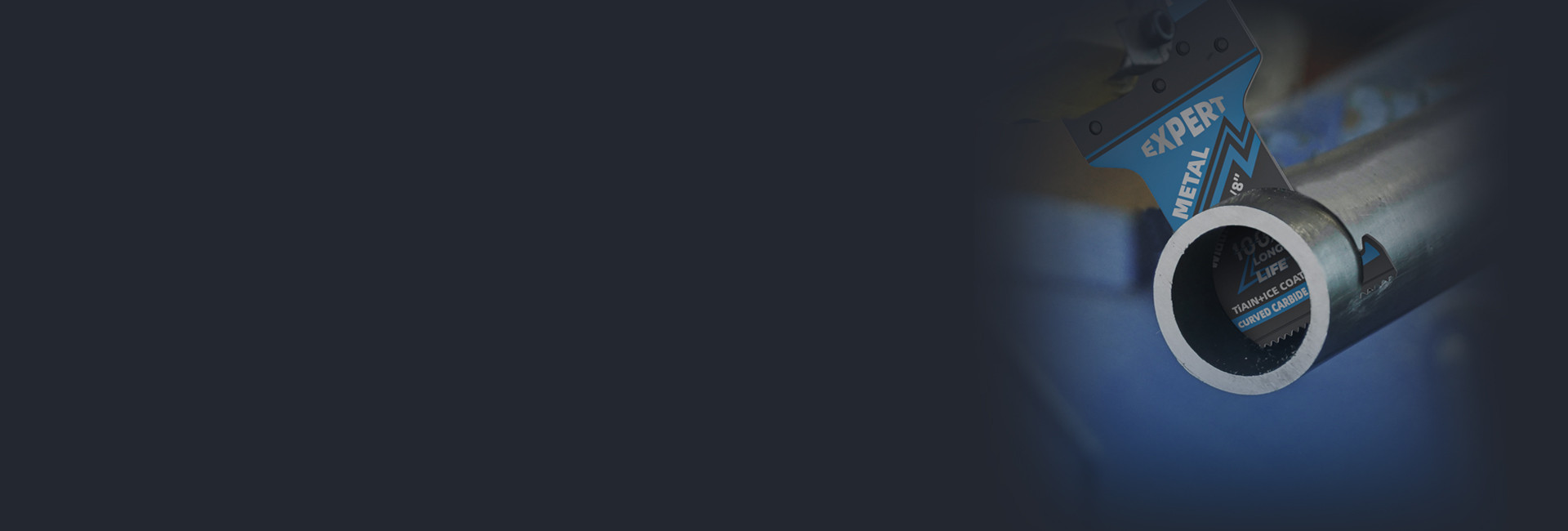
| Reciprocating blades | Demolition, renovation, pruning, nail-embedded wood | Strong add-on for repair and service channels where buyers want visible application choices. |
| Diamond blades | Tile, stone, masonry | Best only when the target market already sells construction-material cutting, not as a generic add-on. |
Decide packaging before you price the SKU
For a small-MOQ launch, packaging is not a finishing touch. It is part of the product definition. The pack should tell the buyer what material the blade is for, what size it is, and how the range is structured. If the label is vague, the launch feels unfinished even when the product itself is good.
That is also where trade-item numbering and barcode logic matter. GS1 guidance makes the point clearly: brand owners and trade-item numbering should be decided intentionally, not left to the printer at the end. That same discipline makes private-label blade programs easier to scale later.
- Use one application name per pack, not a mixed message.
- Keep the size, tooth count, and pack quantity visible.
- Choose a carton or hanging format that can repeat on the next reorder.
- Approve barcode and artwork together so the first batch is ready for market.
Use a short sample-and-approval loop
The sample stage should confirm performance, not create a new design cycle. Keep the loop short and structured so the buyer can test, review, and move on. A good sample process is better than a big sample pile.
- Confirm the use case and the first market.
- Test the top sizes on the real material the buyer will sell against.
- Review the pack proof, label copy, and barcode placement.
- Freeze the first launch list and define the reorder trigger.

Plan the first reorder around sell-through
The first reorder should reward what sold, not what looked impressive in the original line sheet. Small MOQ buyers often make the mistake of treating the first batch as the full answer. It is not. It is the first reading of market response.
- Track sell-through by blade family, not just by total units.
- Keep the reorder list tight and remove weak sizes early.
- Preserve the pack structure that sold fastest.
- Add depth only after the first reorder proves demand.
When one supplier helps and when it doesn't
A single supplier is useful when the same team can support range planning, pack consistency, and reorder discipline. It is not useful if the supplier is broad on paper but weak in execution. The real question is whether the partner can help you run the launch, not just quote it.
One supplier helps when...
The categories are related, the pack language is consistent, and the sample process stays short enough to keep the launch moving.
One supplier hurts when...
The channel needs a highly specialized blade, a different compliance path, or a premium story that the supplier cannot support credibly.
Where Moretop fits this model
Moretop fits best as a category specialist, not a generic catalog. The current site already points buyers toward saw blades, drill bits, hole saws, and related accessories, which makes it easier to build a compact private-label blade range around one sourcing conversation instead of several disconnected vendors.
For buyers who want to validate the supplier profile first, the About Us page and the Products page are the most useful internal references. That is enough to turn a small-MOQ launch from a one-off order into a repeatable program.
FAQ
How many SKUs should the first launch include?
As few as possible while still covering the buyer's main use case. The right number is the smallest range that can still sell clearly.
Should packaging be finalized before sampling?
Yes. You can test the blade first, but the first approval loop should include the pack, label, and barcode so the launch does not restart later.
Can one supplier handle a blade range and other accessories?
Yes, if the supplier is strong in category support and not just broad in name. Related accessories help only when the service model stays coherent.
Bottom line
Small MOQ is fastest when the launch is narrow, the packaging is decided early, and the sample loop stays tight. Buyers who try to launch everything at once usually slow the program down. Buyers who launch one believable blade range first usually reach the reorder stage sooner and learn what the market actually wants.


